Caring LGBT Counseling Services: Helping Your Journey to Well-Being
Compassionate LGBT counselling programs play a fundamental role in advancing psychological wellbeing and growth within the community. These support services forge a secure haven for people to explore their identities and address cultural pressures. By utilizing customized therapeutic strategies, patients can cultivate strength and self-esteem. Recognizing the influence of these counselling programs leads to important considerations about their success rate and the life-changing experiences they can present. What changes might come for those who seek this support?
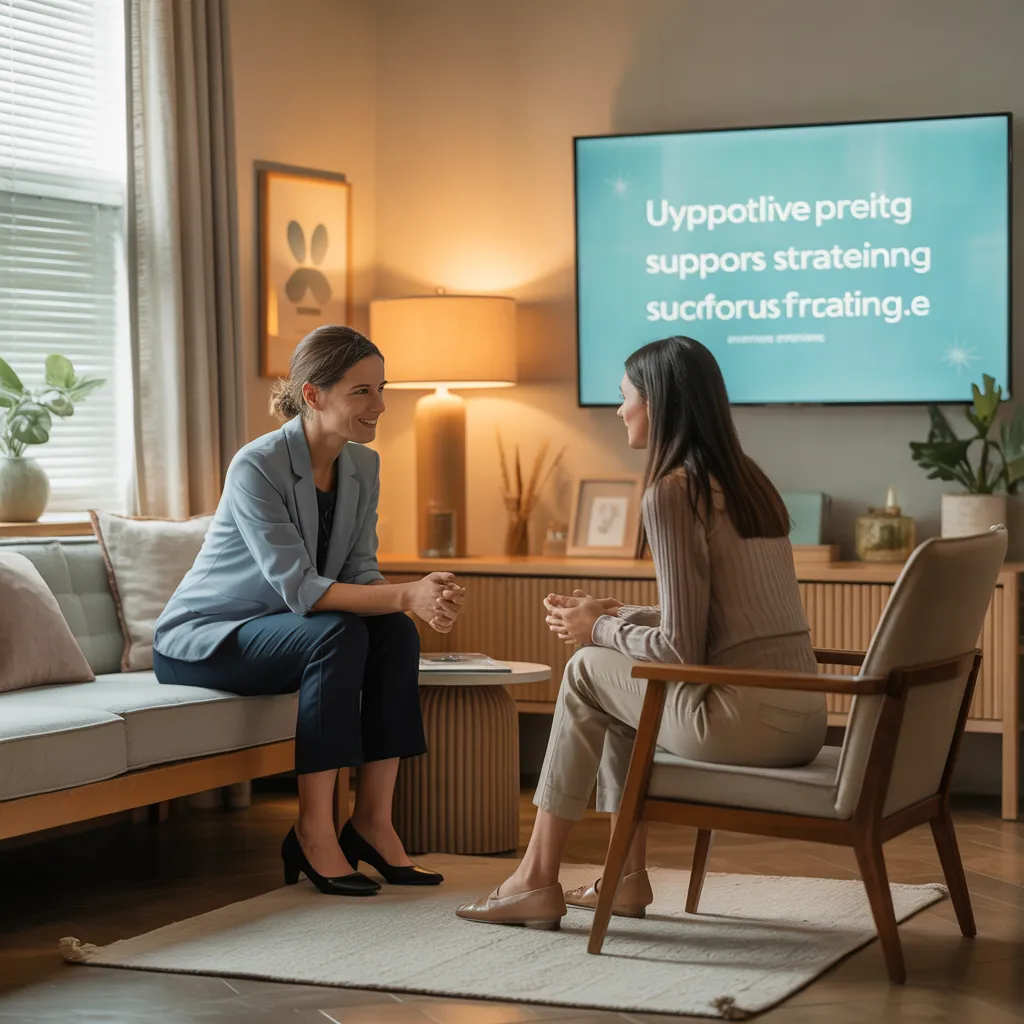
Why LGBTQ Counselling Matters
LGBT therapy serves as a key resource in addressing the special challenges dealt with people within the collective. It creates a protected and encouraging space where clients can probe their identities, feelings, and lived experiences without fear of judgment. These services are designed to honor assorted sexual orientations and gender presentations, fostering a sense of inclusion and acceptance.
Counsellors trained in LGBT issues employ culturally sensitive practices to more fully comprehend the nuances of clients' experiences. This tailored method not only enhances psychological wellbeing but also empowers individuals to navigate societal pressures, relationship dynamics, and individual development.
Further, LGBT counselling can assist in developing coping strategies for stress, anxiety, and depression, which may arise from experiences of isolation view this or discrimination. By emphasizing mental health, these programs play a pivotal role in enhancing the general well-being for LGBT people, fostering self-acceptance and resilience.
Problems Facing the LGBT Community
Despite advancements in numerous areas, the LGBT community continues to face significant obstacles. Prejudice remains endemic, impacting multiple aspects of life, such as employment, medical services, and residential accommodations. Numerous individuals experience bias and stigma, resulting in increased anxiety and depression. Furthermore, the lack of comprehensive legal safeguards in certain areas compounds these problems, leaving community members vulnerable to harassment and assault.
Mental health issues are particularly evident, as individuals often grapple with internalized homophobia and societal rejection. Social isolation can further complicate these challenges, as supportive networks may be limited or non-existent. Moreover, access to culturally competent healthcare services is frequently inadequate, leaving many without essential assistance.
Facing these difficulties necessitates perseverance and voice, stressing the imperative for expanded recognition and purposeful solutions to support tolerance and representation. Addressing these issues is vital for the overall well-being of the LGBT community.
Find Out What Your Therapy Session Will Entail?
During an LGBT counseling appointment, the initial assessment process is essential for comprehending the client's distinctive requirements and experiences. This foundational step establishes the foundation for the treatment methods that will be employed throughout the process. Clients can expect a customized approach that emphasizes their individual circumstances and goals.
Initial Evaluation Procedure
The starting assessment phase functions as a essential base for productive counselling encounters. During this period, clients are invited to share their anxieties, circumstances, and hopes in a safe, supportive context. The practitioner executes a comprehensive evaluation, amassing pertinent facts about the client's background, psychological record, and current struggles. This dialogue works toward building trust and rapport, enabling clients to sense they are valued and understood. In addition, the counsellor may consider the client's aspirations and targeted outcomes from the therapy involvement. By establishing a lucid understanding of the client's needs, the starting evaluation forms the basis for bespoke support and effective intervention, assuring that clients feel confident and equipped on their pathway to well-being.
Healing Methods Deployed
Counselling sessions feature a range of healing techniques customized to meet each client's unique needs. Approaches such as CBT help clients challenge and reconstruct harmful thinking habits, promoting more positive perspectives. Story-based therapy encourages individuals to examine and reshape their life narratives, enhancing sense of self and empowerment. Additionally, mindfulness techniques promote mood management and awareness of the present, helping clients in managing worry and tension. Supportive techniques, including attentive listening and empathy, create a safe environment for honest communication. Group therapy may also be employed, building community and shared experiences among clients. Each technique is thoughtfully chosen to address specific challenges experienced by LGBT individuals, guaranteeing a thorough and caring approach to their psychological well-being and overall health.
Understanding How LGBT Support Addresses Common Barriers
While moving through a world often fraught with discrimination and misunderstanding, many people within the LGBT community face unique emotional and psychological challenges. LGBT counselling addresses these issues by providing a safe, affirming space where clients can express their feelings without fear of judgment. Counselors are trained to understand the complexities of identity, including coming out, relationship dynamics, and societal pressures.
By utilizing customized treatment approaches, including cognitive-behavioral therapy and narrative therapy, clients explore their thoughts and experiences, building resilience and self-acceptance. The emphasis on self-determination assists people navigate internal shame and outside prejudices, encouraging more positive coping mechanisms.
Additionally, LGBT counselling often incorporates dialogues on identity intersection, understanding how various identities intersect, impacting mental health. By addressing these common difficulties, support helps clients in developing a stronger identity foundation and connection, ultimately facilitating their journey toward well-being and achievement.
Locating the Ideal LGBT Counselor for Your Situation
Navigating the expedition toward emotional well-being often involves finding the correct aid. For subjects within the LGBT community, choosing a specialist who values their uncommon circumstances and challenges is essential. Vital considerations include the specialist's training, involvement, and familiarity with LGBT issues.
Prospective clients should find experts who possess a background in LGBTQ+ issues, guaranteeing they can handle complex feelings and social expectations successfully. Word-of-mouth recommendations, internet feedback, and practitioner listings can be useful tools in this search.
Additionally, an initial consultation can help assessing compatibility; it allows an opportunity to analyze the counsellor’s approach and communication style. Feeling protected and understood is vital, so clients should heed their instincts regarding the connection established. Ultimately, the appropriate LGBT counsellor can substantially improve the therapeutic experience, nurturing growth and resilience on the path to well-being.
Success Stories: Transformative Outcomes of LGBT Support
LGBT counselling has functioned as a catalyst for self-development, enabling individuals to accept and explore their identities. Many have reported experiences of surmounting significant challenges and discovering a sense of belonging within supportive communities. These success stories underscore the meaningful influence counselling can have on the lives of LGBTQ+ individuals.
Personal Development Paths
Counselling can work as a major influence for self-development, particularly among the LGBT community, where individuals often navigate through distinctive obstacles. Many clients report notable improvements after undertaking counselling support. For instance, one individual gathered the strength to adopt fully their identity, resulting in improved self-esteem and healthier connections. Another client learned to create boundaries, establishing vital abilities for everyday and professional life. These journeys demonstrate the impact of customized therapeutic methods, emphasizing compassion and respect. By communicating understanding and knowledge, individuals not only develop fortitude but also inspire others facing similar struggles. Such success stories highlight the importance of compassion in counselling, demonstrating that self-development is achievable and can lead to a fulfilling life.
Resolving Selfhood Barriers
Addressing personal identity problems can be an intimidating journey, yet counselling often provides a transformative opportunity for many individuals. Clients regularly report dramatic changes in their self-perception and acceptance through expert support. For example, one individual learned to accept their identity after dealing with internalized stigma, ultimately discovering strength in their uniqueness. Another client, who faced familial rejection, found coping strategies that bolstered resilience and self-love. These success stories highlight the pivotal role LGBT counselling has in facilitating personal growth and healing. By addressing feelings of isolation and confusion, counselling aids individuals in building a stronger sense of self, paving the way for a meaningful life rooted in authenticity and acceptance.
Developing Welcoming Communities
Many people have found that building supportive communities can greatly boost their path towards acceptance and belonging. These communities often act as secure environments where members can exchange experiences and challenges without worry of judgment. Success stories are plentiful, illustrating how collective support fosters strength and confidence. For instance, one individual described how joining a local LGBT group provided not only friendship but also essential resources for mental health. Another participant shared attending workshops that led to significant personal growth and confidence. Through these shared experiences, people often discover a sense of identity and purpose, reinforcing the idea that connection and understanding can transform lives. Ultimately, supportive communities play an important role in promoting well-being within the LGBT population.

Additional Materials for LGBT Counseling and Help
While addressing the difficulties of life, people within the LGBT community often search for additional tools to improve their counselling experiences. Numerous organizations extend support suited to their particular needs. Digital platforms, such as forums and chat rooms, offer a protected space for sharing experiences and advice. Local LGBT centers regularly arrange workshops, support groups, and social events, cultivating community connections.
Moreover, educational resources, such as books and articles, can enhance grasp of personal issues and societal challenges. Hotlines staffed by qualified experts deliver immediate support for those in crisis. In addition, mental health apps purpose-built for the LGBT community can supply management techniques and meditation practices.
Common Inquiries Asked
What Signs Show I Need Counselling?
People may need counseling if they experience ongoing emotions of depression, worry, or uncertainty, struggle with personal connections, or face major transitions. Recognizing these indicators can assist in establishing the importance of obtaining professional support.
Is LGBTQ Counselling Distinct From Traditional Therapy?
LGBT therapy frequently tackles particular cultural, identity, and community-focused challenges that traditional counselling might overlook. It creates a secure, supportive space for individuals to examine their experiences, fostering understanding and self-development specific to their identities.
Which Qualifications Need I Seek in a Counselor?
When looking for a counsellor, one should prioritize credentials such as relevant degrees, licensure, expert instruction in LGBT issues, experience in the field, and a proven dedication to understanding varied sexual orientations and gender expressions.
Can Online Counselling Consultations Function?
Yes, virtual therapy sessions are offered. Many professionals provide virtual appointments, providing convenience and ease of access. It's essential for individuals to confirm that their chosen therapist is qualified and skilled in providing quality virtual assistance.
What Protections Exist for LGBT Counselling Privacy?
LGBT counselling services emphasize confidentiality, guaranteeing that clients' identities and discussions stay private. Professionals follow ethical guidelines, safeguarding personal information while creating a safe environment for open dialogue and support throughout the therapy journey.